
Can Composite Bonding Damage Your Teeth in the Long Term?
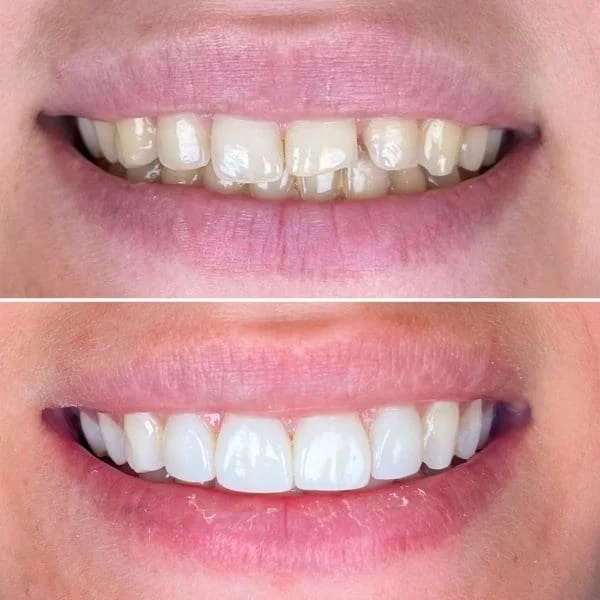
No, composite bonding does not damage your teeth in the long term when it is carried out correctly and maintained properly.
The procedure involves applying a tooth-coloured resin to the surface of the enamel without removing large amounts of natural tooth structure.
Many patients in Hertfordshire choose composite bonding to improve chipped, uneven or discoloured teeth. Understanding how it works and what to expect helps you make a confident and informed decision.
If you’re considering composite bonding in Hertfordshire, call 01920 821579 or email info@elegancedental.co.uk.
Does Composite Bonding Damage Natural Tooth Enamel?
No, composite bonding does not damage natural enamel when performed by a qualified dentist. In most cases, little to no drilling is required, and the natural tooth remains largely intact.
The bonding material is shaped and polished directly onto the enamel. Because the procedure is minimally invasive, it is considered one of the most conservative cosmetic dental treatments available.
Minimally invasive cosmetic treatments are increasingly preferred by UK adults who want aesthetic improvements without permanent structural changes.
Can Composite Bonding Weaken Teeth Over Time?
No, composite bonding does not weaken healthy teeth when applied correctly. The resin material bonds securely to the enamel and can strengthen small chips or worn edges.
However, bonding is not as strong as natural enamel or porcelain veneers. It can chip if exposed to heavy pressure such as nail biting, teeth grinding or chewing very hard foods.
Good oral hygiene and regular dental reviews help maintain the strength and appearance of bonded teeth.
Does Composite Bonding Cause Sensitivity?
Composite bonding does not usually cause tooth sensitivity. Because the treatment rarely involves significant enamel removal, nerves inside the tooth are not exposed.
If slight sensitivity occurs, it is normally mild and temporary. Your dentist will assess your teeth beforehand to ensure bonding is suitable and that there are no underlying issues.
Patients with existing enamel wear or gum recession may require additional advice before proceeding.
How Long Does Composite Bonding Last?
Composite bonding typically lasts between three and seven years with proper care. The lifespan depends on oral hygiene, diet and habits such as grinding or biting hard objects.
Here is what most patients should consider:
Diet
Staining foods such as coffee, tea and red wine can gradually discolour the bonding material. Reducing these and rinsing after consumption can help maintain brightness.
Grinding
Teeth grinding places extra pressure on bonded areas and may increase the risk of chipping. A custom night guard can help protect your teeth.
Oral Hygiene
Daily brushing and flossing prevent plaque build-up and help keep the surface smooth and healthy.
Regular Reviews
Routine dental check-ups allow early polishing or small repairs before wear becomes noticeable.
Bonding can often be repaired or refreshed without full replacement, which makes it a flexible and conservative cosmetic option.
Can Composite Bonding Be Removed Safely?
Yes, composite bonding can be removed safely by a dentist if needed. The resin can be polished away carefully without harming the natural tooth when done professionally.
This makes bonding a reversible cosmetic treatment in many cases. However, it is important that removal is always carried out by a dental professional to protect the enamel.
Is Composite Bonding Right for Everyone?
No, composite bonding is not suitable for every dental concern. It works best for minor chips, gaps, uneven edges and mild discolouration.
Patients with severe misalignment, heavy bite issues or extensive damage may benefit more from Invisalign, veneers or other restorative options. A professional assessment ensures the treatment chosen matches your goals and oral health needs.
To discuss composite bonding in Hertfordshire or book a consultation, call 01920 821579 or email info@elegancedental.co.uk.
