
Should you go to A&E with a dental emergency?
If you have a serious dental issue and it is during the evening or weekend, you may be tempted to go to A&E, but generally speaking most dental issues should be treated by a dentist, not a hospital. However, if you believe that it might be life threatening, then of course, A&E may be the better option.
Choosing the right option could save you time, reduce pain quicker, and ensure you get the right care.
Elegance Dental is an emergency dentist in Hertfordshire and can offer out-of-hours treatment for urgent care including sensitivity, wisdom tooth pain or more serious knocked out or broken teeth. Call us on 01920 821579 or send an email to info@elegancedental.co.uk
Key Points
The NHS aims for urgent dental cases to be treated within 24 hours to 7 days, depending on severity.
Due to access issues, tens of thousands of people each year go to A&E for dental problems that could be treated by a dentist.
General Rule of Thumb
Life-threatening → A&E
Pain or dental issue → dentist
What counts as a dental emergency?
A dental emergency is any problem that needs urgent treatment to relieve severe pain, stop bleeding, or prevent infection.
Common examples include:
Severe toothache that does not improve with painkillers
A knocked-out or broken tooth
Swelling in the mouth, face, or jaw
Bleeding after a dental procedure
Dental abscess or infection
The NHS advises that urgent dental cases should be seen within 24 hours or up to 7 days depending on severity.
However, not all dental emergencies are medical emergencies.
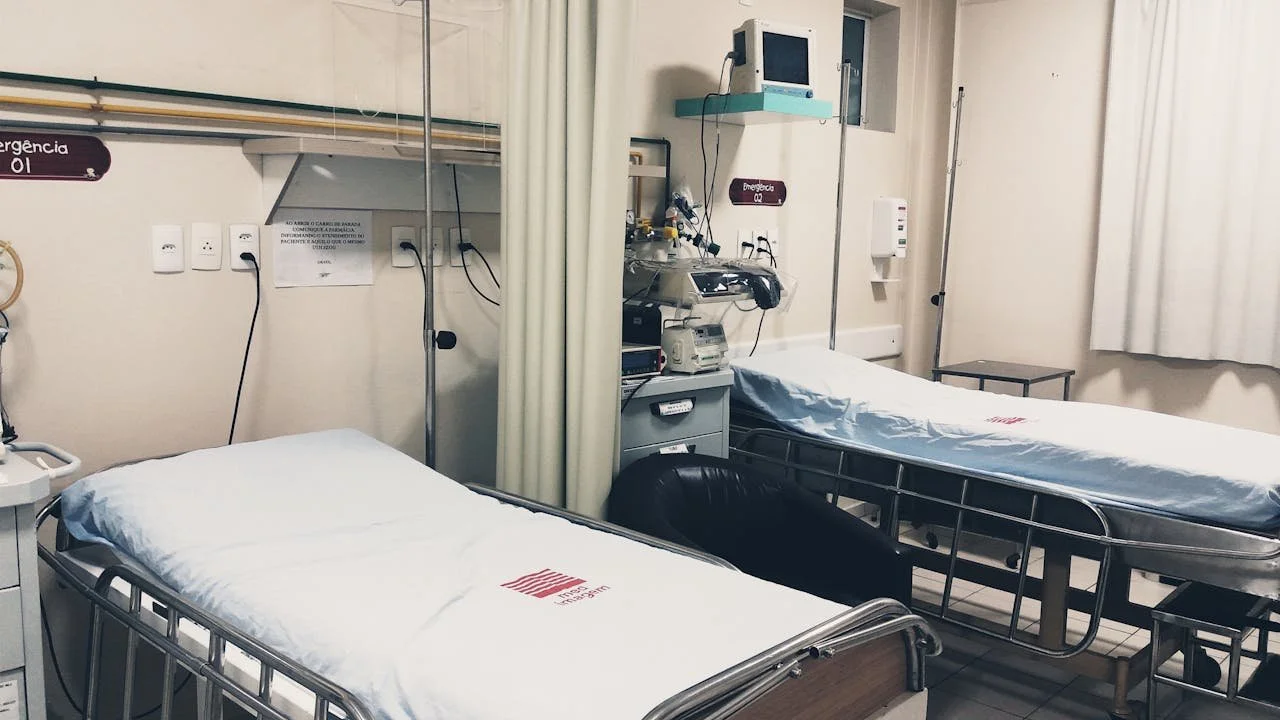
A&E should be your option if you believe the dental emergency is life threatening or it is the early hours of the morning and no emergency dentists are available
When is A&E appropriate for a dental emergency?
A&E is designed for life-threatening or serious medical emergencies, not routine dental care.
You should only go to A&E if your dental problem involves:
Severe facial injury or trauma
Heavy bleeding that will not stop
Swelling affecting your breathing or vision
Signs of serious infection spreading (e.g. difficulty swallowing or breathing)
These situations can become dangerous very quickly and need immediate hospital care.In these cases, A&E staff can stabilise you, give medication, and manage complications.
Why is A&E not the best option for dental emergency?
Even if your pain feels unbearable, A&E is rarely the right place for dental issues.
Hospital doctors:
Are not trained dentists
Cannot carry out most dental treatments (like fillings or extractions)
Will usually only give pain relief or antibiotics
This means you may wait hours and still be told to see a dentist afterwards. In fact, research shows many people attend A&E unnecessarily due to lack of access to dentists, placing extra pressure on emergency services.
A&E may be better depending on the time of day
Your decision can depend on when the problem occurs or injury happens:
If it is:
2am or 3am and you have severe swelling, trauma, or uncontrolled bleeding → A&E may be your only safe option
Late night with extreme symptoms → A&E or calling 999 may be appropriate
However:
If it is a weekday during working hours, you should contact a dentist first
If it is evening or weekend, you can contact an emergency dentist or call NHS 111
NHS 111 can direct you to urgent dental services, often within hours.
Should You Go to a GP for a Dental Emergency?
In most cases, a GP is not the right person to see for a dental emergency, as they are not trained or equipped to provide dental treatment.
If you have severe toothache, a broken tooth, a dental abscess, or another urgent dental problem, you should contact a dentist as soon as possible. If your regular dental practice is closed, many areas have emergency or out-of-hours dental services that can provide urgent care.
In some cases, if you have no other option, going to an out of hours GP could be of use. However, if you experience facial swelling that is affecting your breathing or swallowing, heavy bleeding that will not stop, or you have suffered a serious facial injury, you should seek immediate medical attention by calling 999 or attending your nearest Accident & Emergency (A&E) department.
Weekday vs weekend options when you have a dental emergency
During normal hours:
Call your regular dentist
Ask for an urgent or same-day appointment
Out of hours:
Contact an emergency dentist
Use NHS 111 to find available services
Emergency dental clinics are designed to handle most urgent problems quickly and effectively.
When to go to A&E vs a dentist for a dental emergency
Go to A&E if:
You have difficulty breathing due to swelling
There is heavy, uncontrollable bleeding
You have serious facial or jaw trauma
You feel faint, confused, or very unwell after an injury
There are signs of a spreading infection (e.g. swelling around eyes or throat)
Go to a dentist if:
You have severe toothache
You have a broken, chipped, or knocked-out tooth
You have swelling in the gums or jaw (but can breathe normally)
You have a dental abscess
Pain is ongoing but not life-threatening
Most dental emergencies are best handled by a dentist, not A&E. Hospitals are there for serious, life-threatening situations, not routine dental care.
If you are unsure, calling NHS 111 is often the safest first step. They can guide you to the right service based on your symptoms and the time of day.
